








Curl Cardio
Power Primer - Leave-in Conditioner
$34.00
Add

TIFF 2026
Plan your festival before the rush.
Ticket drops, packages, screenings and member access are all handled through TIFF’s official channels.
Toronto · September 10 - 20, 2026



PUBLISHER'S
LETTER
Discovery Is the New Black
There was a time when media helped us discover what was next. Somewhere along the way, too much of it became obsessed with reminding us of
what we already know. The same names, the same faces, the same stories and the same so-called safe bets.
For years, the old guard has chased the low-hanging fruit, convinced that familiarity is what drives sales, clicks and attention. But I would argue that this thinking is part of what is slowly killing traditional media. When all you do is give people what they already know, eventually there is nothing left to discover. And discovery is everything.
The next generation understands this instinctively. They dig, they search, they go down rabbit holes and turn over rocks looking for the story underneath. They want to know who created something, who influenced it and who was there before everyone started paying attention. They are fascinated by the hidden gems, the overlooked talent and the people whose fingerprints are all over culture, even if their names haven't always received the recognition they deserve.
That curiosity is something we pay very close attention to at BDC Magazine. Where others may see risk in putting someone unfamiliar on a page, we see opportunity. Where others follow the noise, we listen for the voices underneath it. We aren't interested in waiting until the rest of the world decides someone matters before we tell you why they do. That is the difference.
This issue's cover is a perfect example. R.T. Thorne doesn't need BDC Magazine to validate his talent. His work has already done that. His body of work, his storytelling, his vision and his impact speak for themselves. He has more than met the moment. In many ways, he has surpassed it. What he deserves is discovery on a scale equal to the work.
There is an important distinction between being successful and being properly recognized. Some of our greatest talents have spent years, even decades, shaping the culture while standing just outside the spotlight that their contributions deserve. That's where we like to look.
Because I believe our responsibility as a publication isn't simply to document who is popular. It's to pay attention, peel back the layers, connect the dots and introduce you to the person behind the work. Occasionally, that means making you stop and ask, "How did I not know this?" That question excites me because it means we did our job.
BDC Magazine isn't interested in becoming another publication competing for the same five stories everyone else is telling. I'd rather give you the sixth story nobody thought to look for. The one underneath the rock. The one you tell somebody else about after you find it.
The irony is that while legacy media continues chasing familiarity in hopes of surviving, an entire generation is telling us exactly what it wants: something new to discover. We're listening. So if you're wondering why R.T. Thorne is on the cover of BDC Magazine, the answer is simple. He belongs there. Not because we discovered his greatness, but because some of you are about to.
There was a time when media helped us discover what was next. Somewhere along the way, too much of it became obsessed with reminding us of what we already know. The same names, the same faces, the same stories and the same so-called safe bets.
For years, the old guard has chased the low-hanging fruit, convinced that familiarity is what drives sales, clicks and attention. But I would argue that this thinking is part of what is slowly killing traditional media. When all you do is give people what they already know, eventually there is nothing left to discover. And discovery is everything.
The next generation understands this instinctively. They dig, they search, they go down rabbit holes and turn over rocks looking for the story underneath. They want to know who created something, who influenced it and who was there before everyone started paying attention. They are fascinated by the hidden gems, the overlooked talent and the people whose fingerprints are all over culture, even if their names haven't always received the recognition they deserve.
That curiosity is something we pay very close attention to at BDC Magazine. Where others may see risk in putting someone unfamiliar on a page, we see opportunity. Where others follow the noise, we listen for the voices underneath it. We aren't interested in waiting until the rest of the world decides someone matters before we tell you why they do. That is the difference.
This issue's cover is a perfect example. R.T. Thorne doesn't need BDC Magazine to validate his talent. His work has already done that. His body of work, his storytelling, his vision and his impact speak for themselves. He has more than met the moment. In many ways, he has surpassed it. What he deserves is discovery on a scale equal to the work.
There is an important distinction between being successful and being properly recognized. Some of our greatest talents have spent years, even decades, shaping the culture while standing just outside the spotlight that their contributions deserve. That's where we like to look.
Because I believe our responsibility as a publication isn't simply to document who is popular. It's to pay attention, peel back the layers, connect the dots and introduce you to the person behind the work. Occasionally, that means making you stop and ask, "How did I not know this?" That question excites me because it means we did our job.
BDC Magazine isn't interested in becoming another publication competing for the same five stories everyone else is telling. I'd rather give you the sixth story nobody thought to look for. The one underneath the rock. The one you tell somebody else about after you find it.
The irony is that while legacy media continues chasing familiarity in hopes of surviving, an entire generation is telling us exactly what it wants: something new to discover. We're listening. So if you're wondering why R.T. Thorne is on the cover of BDC Magazine, the answer is simple. He belongs there. Not because we discovered his greatness, but because some of you are about to.

George Sully
Publisher / Editor-in-Chief
BDC Magazine

ON THE
COVER
The Power of Perspective
R.T. THORNE

PUBLISHER'S LETTER
Discovery Is the New Black
16
George Sully
THE COLLABORATORY
Where Creativity Meets Collaboration
19
Michael Boathaus
OBJECTS WITH ORIGINS
September Collective
22
Hayla Amini
DESIGN WITH FEELING
Victoria Lussing
26
Malcolm Reid
BDC TIFF WATCH LIST
TIFF Films to Lookout For
28
George Sully
WILKES & BOWENS
Beyond the Market
32
Amara N
THE FOUNDATION OF A HOUSE
Pearletta Designs - Feature
34
Nadine Banda
PRIME CONVERSION
The Soul of a Home
38
Connie Amartey
THE ART OF ONE
Commissioning the Extraordinary
40
Brandon Norris-Lue
WELL SUITED
C|E Clothiers
44
Taye Omari
NANA BEDIAKO
Across Design, Education & Innovation
46
Yaw Tony
ERSKINE FORD
The Long Way to the Director's Chair
48
George Sully
OLUNIKE ADELIYI
Style in Motion
52
George Sully
MUSKA ZURMATI
Building Cinematic Worlds
56
Beverly Fala
MOHAMED ZALLOUFI
Turning Genuine Curiosity Into Images
59
Michael Boathaus
GUIDED BY TRUST
Medial Travel
62
Amara N
IMAN STEWART
Stearns & Foster
64
Iman Stewart
OLIVIA PARKER
From Motherhood to Empire
66
Taye Omari
R.T. THORNE
The Power of Perspective
68
George Sully
LUXURY RECLAIMED
Redefining Luxury by Seeing Value
76
Lilly Yange
CREATIVE COUNSEL
Building for the Big Moment
78
Layth Gafoor,
Malik Membhard
DESIGNER TECH
88
BDC Team


Sully & Son Co
TOKU - TOTE / Shoulder Bag
$130.00
Add
THE
COLLABORATORY
Legin Knits x Jaclar: A Heritage Reimagined by Hand
By Michael Boathaus

LEGIN KNITS x JACLAR
The collaboration between Legin Knits and Jaclar brings together two legacies rooted in Black culture, craftsmanship and community. With Jaclar’s athletic heritage dating back to 1975 and Legin Knits celebrating 30 years of artistry and education, the partnership felt like a natural meeting of creative minds. For Nigel “Legin” John, each one-of-one sneaker begins with meditation. He studies the original silhouette, allowing it to guide his choice of colour, texture and placement before introducing his signature crochet. Rather than overpowering the sneaker, his work uplifts it, keeping Jaclar’s retro design as the hero while adding the unmistakable hand of Legin Knits. The result is more than customized footwear. It is a conversation between heritage and reinvention, proving that when fashion is treated as art, it has the power to connect cultures, cross new territories and move communities.
Swipe

OBJECTS
WITH
ORIGINS
Leslie Rivers is building a new Canadian design language where
modern African craftsmanship retains its name, history and value
By Hayla Amini
Photography care of September Collective
Leslie Rivers is building a new Canadian design language where modern African craftsmanship retains its name, history and value.
A beautiful object can still be incomplete. It may possess form, texture and extraordinary craftsmanship, yet lose something essential when the hands, history and culture behind it are left unnamed. Leslie Rivers founded September Collective to close that distance between object and origin. Her vision is not simply to place modern African design in Canadian homes, but to ensure the people who create it remain visible within the story.
The idea emerged during a personal transition. After 30 years in corporate Canada, Rivers stepped away to make room for purpose and a creative life she had never clearly defined. While searching for contemporary decor that reflected African and diasporic artistry, inspiration became frustration. Canadian options were limited, while international purchases brought high shipping costs, customs fees and long waits. Rivers saw more than an inconvenience. She saw an absence in Canada’s design conversation and an opportunity to redefine what was available within it.
September became the natural name for a business born during reinvention. For Rivers, the month represents transition and recalibration, as well as the beginning of fashion’s creative calendar. “Collective” speaks to the gathering of artisans, heritage, objects and ideas at the brand’s centre. Its logo, inspired by African mud cloth, uses lines to represent balance, continuity and the relationship between past, present and future. Rivers describes the name and symbol as “the same thing in two different languages,” both connecting design across generations.

"A calendar month isn’t a business model.” Craftsmanship developed across centuries cannot be reduced to a February promotion."
If the creative direction was new, building the company was not entirely unfamiliar. Rivers spent her corporate career in fast-moving organizations where broad responsibilities and constant problem-solving were the norm. She had repeatedly helped turn ideas into functioning businesses. The difference was ownership. “It
felt like doing what I already knew how to do, just finally for myself,” she says. That experience gave her the confidence to build September Collective with commercial discipline, but its purpose demanded a different measurement of success.
Each object must meet four non-negotiables: sustainability, narrative, exceptional handmade technique and clear recognition of its maker. Rivers looks for evidence of human touch in every curve, texture and seam, selecting pieces that live as sculptural “hero” accents without becoming untouchable museum objects. Tekura
transforms the geometry of the djembe drum into carved furniture. Kenya’s Kitengela
works with hand-blown recycled glass, while Baba Tree turns regional grasses into
functional sculpture. South African studios Modern Gesture and Lulasclan translate
cultural memory through lighting and textiles. Toronto’s Villa Aburi uses fragrance
to evoke Ghana’s Aburi Botanical Gardens, extending heritage beyond what can be
seen.
These are not products Rivers will strip of their origins for easier marketing. September Collective names the artisan, region, technique and cultural meaning attached to the work. It never renames an artist’s creation, claims it as its own or replaces specific language with fashionable descriptions designed to make culture more palatable. The same principle governs compensation. Rivers refuses to negotiate makers down to satisfy a high-volume retail model, arguing that respect must be
economic as well as symbolic. “Authorship is non-negotiable,” she says. “That’s not a marketing decision, it’s the whole foundation of the business.”
If the creative direction was new, building the company was not entirely unfamiliar. Rivers spent her corporate career in fast-moving organizations where broad responsibilities and constant problem-solving were the norm. She had repeatedly helped turn ideas into functioning businesses. The difference was ownership. “It felt like doing what I already knew how to do, just finally for myself,” she says. That experience gave her the confidence to build September Collective with commercial discipline, but its purpose demanded a different measurement of success.
Each object must meet four non-negotiables: sustainability, narrative, exceptional handmade technique and clear recognition of its maker. Rivers looks for evidence of human touch in every curve, texture and seam, selecting pieces that live as sculptural “hero” accents without becoming untouchable museum objects. Tekura transforms the geometry of the djembe drum into carved furniture. Kenya’s Kitengela works with hand-blown recycled glass, while Baba Tree turns regional grasses into functional sculpture. South African studios Modern Gesture and Lulasclan translate cultural memory through lighting and textiles. Toronto’s Villa Aburi uses fragrance to evoke Ghana’s Aburi Botanical Gardens, extending heritage beyond what can be seen.
These are not products Rivers will strip of their origins for easier marketing. September Collective names the artisan, region, technique and cultural meaning attached to the work. It never renames an artist’s creation, claims it as its own or replaces specific language with fashionable descriptions designed to make culture more palatable. The same principle governs compensation. Rivers refuses to negotiate makers down to satisfy a high-volume retail model, arguing that respect must be economic as well as symbolic. “Authorship is non-negotiable,” she says. “That’s not a marketing decision, it’s the whole foundation of the business.”

That foundation also means rejecting the calendar that too often determines when Black-owned brands and African design receive attention. Rivers is direct: “A calendar month isn’t a business model.” Craftsmanship developed across centuries cannot be reduced to a February promotion. Permanent placement moves African and Black design from themed recognition into the wider language of interiors. The same conviction shapes her response to pressure for Black-owned businesses to lower prices or soften their identities. September Collective prices according to materials, labour and mastery. Affordability cannot come at the expense of the makers the business exists to honour.
Rivers wants September Collective to become a reference point for how African and diasporic design can be sourced and sold, proving that commercial success does not require the artisan to disappear behind a retailer’s name. For makers, that means sustainable income and recognition that travels with their work. For collectors, it means homes filled with objects whose stories can be spoken with knowledge: who made them, where they came from and why they matter. Beauty may attract the eye, but Rivers is building something intended to remain after the first impression. In her vision, nothing extraordinary should ever have to become anonymous in order to belong.
DESIGN WITH
FEELING
Victoria Lussing is building House
of Tori around a simple idea: the
most beautiful homes don’t just
look incredible. They make us feel
something.
By Malcolm Reid

Victoria Lussing believes meaningful homes are defined less by perfect styling than by how generously they hold the people inside. Through House of Tori, she has developed an interior practice rooted in beauty, individuality and emotional connection. Her rooms are tailored like garments, shaped around the lives of those who inhabit them.
Fashion gave Lussing her earliest design education. Travel exposed her to architecture and creative traditions, while fine craftsmanship taught her the value of originality. She learned that a perfectly cut suit or dress can transform posture, confidence and identity. A thoughtfully designed home, she believes, can offer that same assurance and reveal something about its inhabitants. House of Tori therefore operates like an atelier, creating one-of-a-kind environments rather than prescribing a signature look.
That philosophy deepened after Lussing moved her family from Toronto to Nova Scotia’s Annapolis Valley in 2024. The transition brought more space, a slower rhythm and renewed closeness to family and community. Her children adapted easily, confirming that home was less about geography than togetherness. The move also allowed Lussing to bring her parents east before her mother passed away, giving them time together and ensuring her father would remain close afterward.
Both parents experienced mobility challenges, making Lussing aware of the ways a house can support someone or exclude them. Beauty alone was no longer enough. A home needed to preserve dignity, encourage independence and function through stages of life. It should allow children to move freely, welcome loved ones and make caring for one another feel natural. These experiences reshaped House of Tori around family, connection and legacy.
"I want to create homes that aren’t disposable, but become part of a family’s story."
For Lussing, designing for legacy begins with ordinary moments that become unforgettable. It is the smell of cookies baking with a grandmother, holidays around the same table and photographs taken in familiar rooms. She translates those memories through quality materials, custom furniture and a thoughtful mixture of old and new. A well-made table is never simply an object. It may become the place where birthdays are celebrated, homework is completed and grandchildren eventually gather.
Her belief in design’s emotional power came to life through La Preparazione, the installation that earned House of Tori the 2026 Living Luxe Emerging Talent Award. Within a 10-by-10-foot space, Lussing created an experience that encouraged visitors to pause, reflect and leave words of support for strangers. What grew out of that little box became much bigger than Lussing expected, revealing how receptive people are to kindness, softness and encouragement and how an environment can contribute to those feelings.
The award represented more than recognition. It gave Lussing confidence to pursue “Design with Feeling” and explore how interiors can move beyond aesthetics into shared experience. She plans to use the accompanying grant to build on the ideas introduced through La Preparazione, while returning to Living Luxe in 2027 will provide a new canvas for a greater expression of that vision.
As House of Tori continues working across Ontario and Nova Scotia, Lussing is building more than a studio. She wants the company to become a listener, advocate and unifying force, creating spaces where people feel seen, supported and uplifted. Inside a House of Tori home, that feeling may be safety, calm, confidence, pride or a touch of envy from a guest. Whatever the emotion, the home must work intuitively and look extraordinary.
For Lussing, a home should feel good, work thoughtfully and look incredible. We shouldn’t have to choose. House of Tori is designing the backdrop for celebrations, care, change and memory. We have one life to live. Let’s make it beautiful.

TIFF TORONTO
BDC's TIFF WATCH LIST
Twenty films worth watching before
everyone is talking about them.
With George Sully
AMERICAN HOSTAGE
Creators - Shawn Ryan, Eileen Myers - Jon Hamm stars in this adaptation of the hit podcast, which tells the true story of an Indianapolis radio reporter thrust into a high-stakes situation when a local man takes a bank employee hostage and demands to be interviewed live on air.
Get tickets

I PLAY ROCKY
Dir. Peter Farrelly - Featuring a career-making performance from Anthony Ippolito, the latest from Oscar winner Peter Farrelly (TIFF ’18 People’s Choice Award winner Green Book) vividly recreates the story of how an unknown named Sylvester Stallone got Rocky produced — and became a superstar.
Get tickets
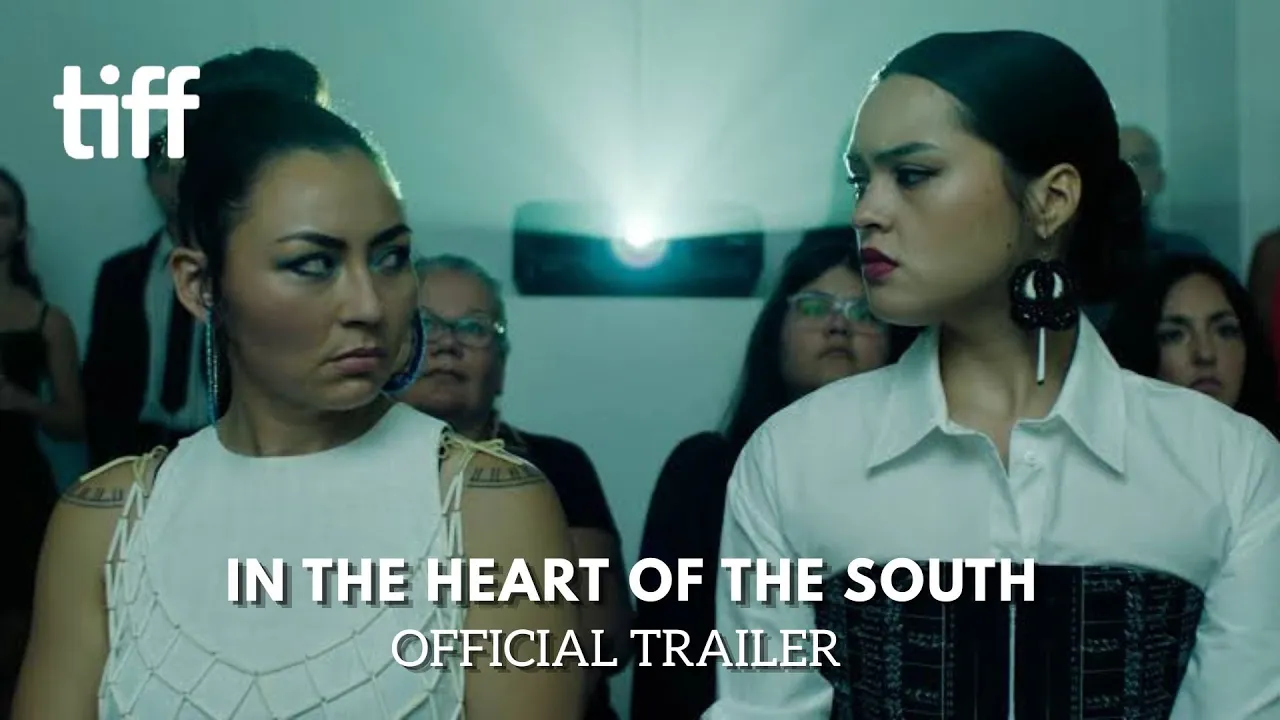
IN THE HEART OF THE SOUTH
Dir. Nyla Innuksuk - In the Heart of the South is what Single White Female would be if it were set in Toronto, with an Inuk protagonist and a dash of supernatural elements, starring North of North’s Anna Lambe.
Get tickets
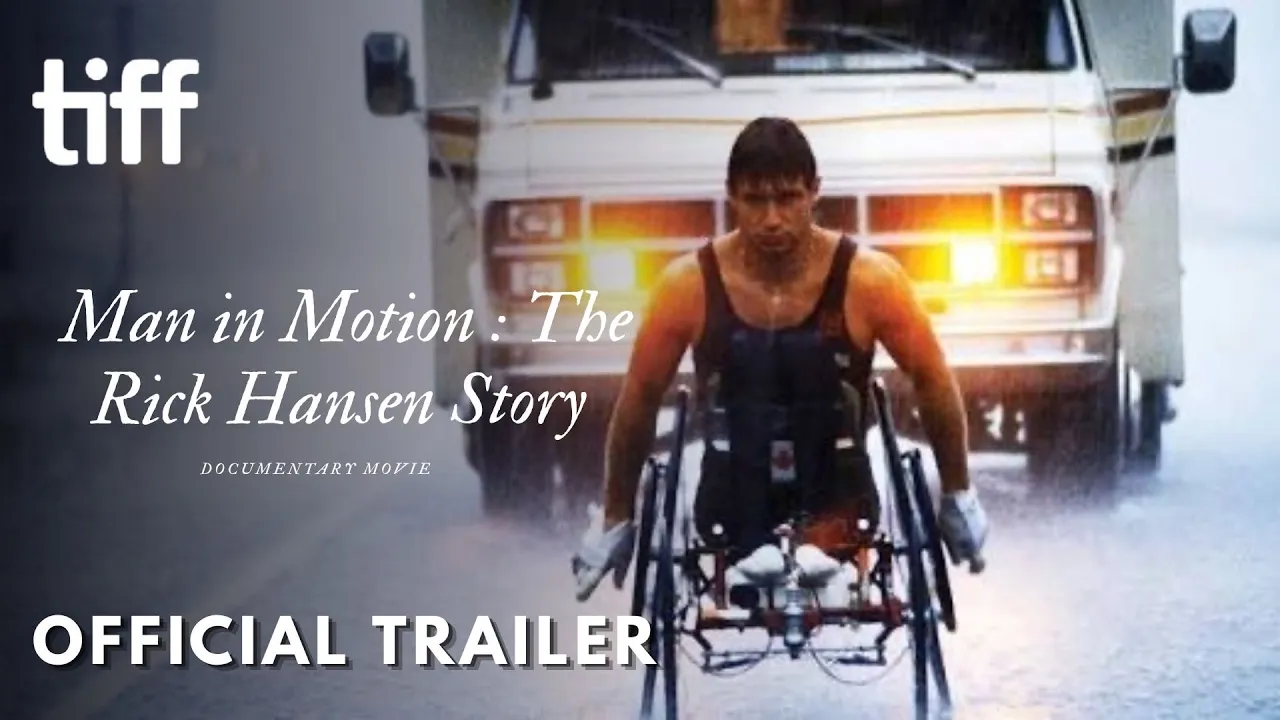
MAN IN MOTION: THE RICK HANSEN STORY
Dir. Adrian Buitenhuis - This galvanizing portrait celebrates Rick Hansen, the great Canadian athlete and activist. It chronicles his 26-month Man In Motion World Tour: a 40,000-kilometre wheelchair journey that raised millions to eliminate accessibility barriers and transform public perception of people with disabilities.
Get tickets

MISTY GREEN
Dir. Chris Rock - Featuring a career-making performance from Slow Horses’ Rosalind Eleazar and supporting turns from Daniel Kaluuya, Adam Driver, and Anna Kendrick, Chris Rock’s latest as writer-director brilliantly satirizes the bigotry and hustle at the heart of Hollywood.
Get tickets
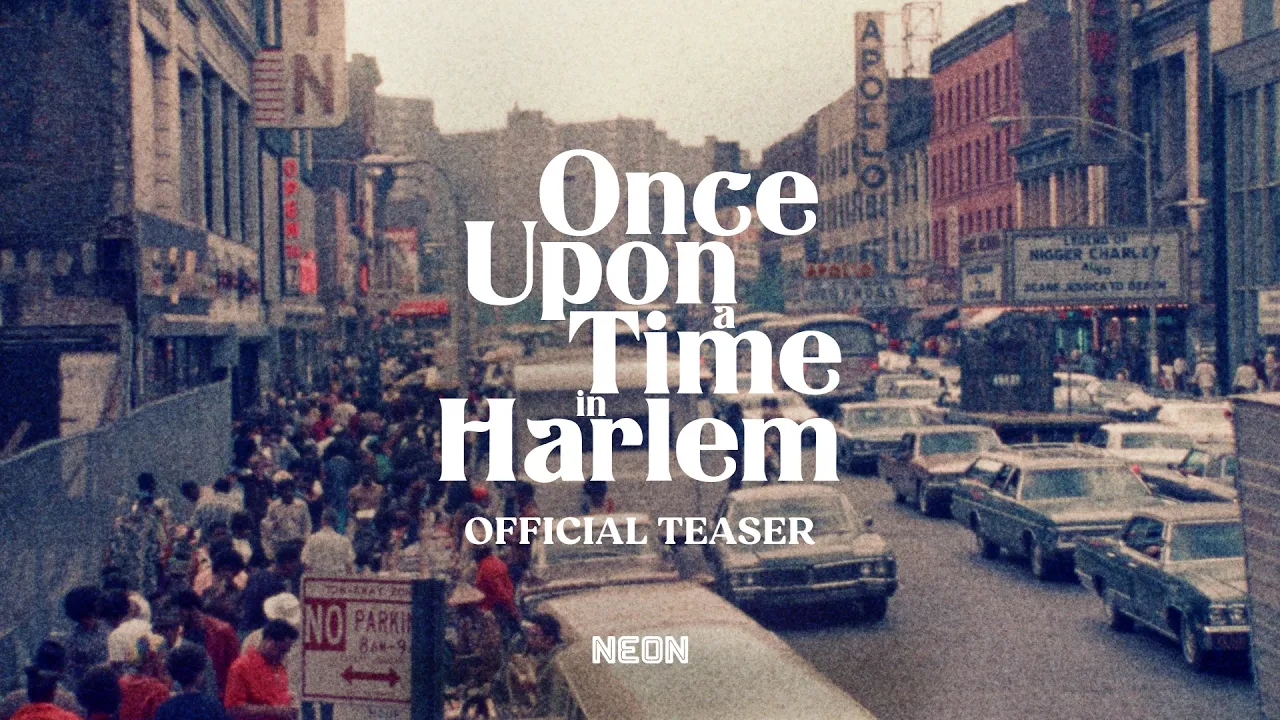
ONCE UPON A TIME IN HARLEM
Dir. William Greaves, David Greaves - Conceived in 1972 by legendary filmmaker William Greaves and completed 50 years later by his son David, Once Upon a Time in Harlem is an essential work of living archive, documenting a lively gathering of luminaries from the Harlem Renaissance during a cocktail party at Duke Ellington’s home.
Get tickets

RUN TERRY RUN
Dir. Sean Menard -This intimate and inspiring portrait from filmmaker Sean Menard (TIFF ’17’s The Carter Effect) draws upon never-before-seen footage to reveal the arduous process and profound commitment behind Terry Fox’s Marathon of Hope to raise awareness and money for cancer research.
Get tickets

THE BELOVED
Dir. Rodrigo Sorogoyen - Starring Oscar winner Javier Bardem and Victoria Luengo (TIFF ’24’s The Room Next Door), the latest from Rodrigo Sorogoyen (TIFF ’18’s The Realm) chronicles an unnerving collaboration between a charismatic, manipulative director and the actor daughter he hasn’t seen in 13 years.
Get tickets

YOUR MOTHER YOUR MOTHER YOUR MOTHER
Dir. Bassam Tariq - Oscar winner Mahershala Ali (TIFF ’18 People’s Choice Award winner Green Book) stars as a devout Muslim, loving family man, and contract killer in this audaciously inventive Texas-set action thriller from writer-director Bassam Tariq (Mogul Mowgli).
Get tickets
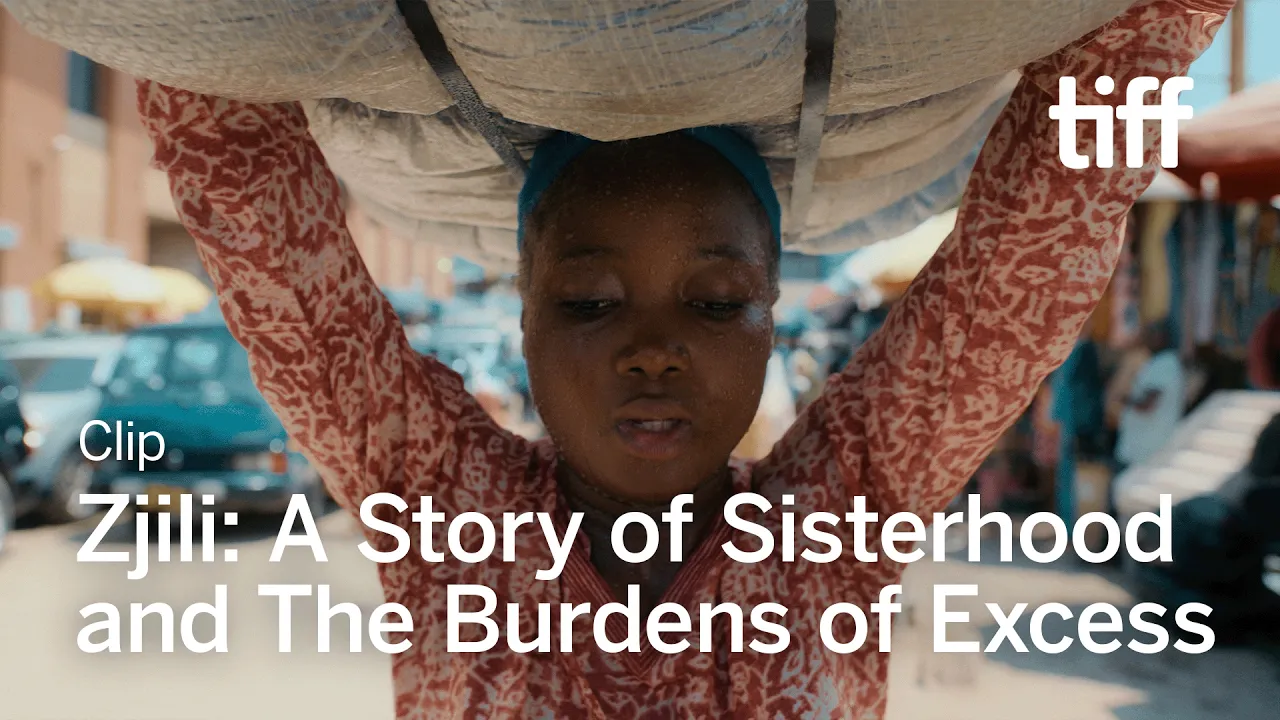
ZJILI: A STORY OF SISTERHOOD AND THE BURDENS OF EXCESS
Dir. Christine Boateng, Hajara Musah Chambas - In their poignant debut feature, co-directors Christine Boateng and Hajara Musah Chambas depict the journey of three Ghanaian women eking out a living as kayayei or porters in the trenches of the world’s largest secondhand clothing market.
Get tickets
Cinema has always been about discovery. Beyond the major releases, familiar franchises and heavily promoted titles are films waiting to challenge us, entertain us and introduce us to voices we may not have encountered before. This list is not intended to predict box-office success or rank one filmmaker above another. It is a personal selection of 20 movies that have captured my attention through their stories, performances, creative ambition or cultural relevance.
Some arrive with considerable anticipation, while others may still be quietly building momentum. What connects them is the potential to leave an impression long after the credits have finished rolling. From emerging filmmakers and independent productions to bold studio releases and distinctly Canadian stories, these are the films I believe deserve a place on your radar. Consider this your invitation to look beyond the obvious, discover something unexpected and keep a close eye on what comes next.

(list continued)
MORE FROM THE LIST

2.6 SECONDS: DEATH IN THE OUTBACK
Dir. Darren Dale - A gripping, cinematic documentary series that reconstructs one of Australia’s defining contemporary events, exposing the enduring legacies of race, justice, and colonial policing.
Get tickets

BUNKER
A Toronto-set ensemble following one humid afternoon of missed connections, borrowed rooms, and sudden honesty.
Get tickets

CLARISSA
Dir. Arie Esiri, Chuko Esiri - Led by a stellar cast including Sophie Okonedo and David Oyelowo, film- making brothers Arie and Chuko Esiri’s second feature is a beguiling adaptation of Virginia Woolf ’s Mrs. Dalloway set in contemporary Lagos.
Get tickets

DARLENE LOVE: I KNOW WHERE I'VE BEEN
Dir. Barry Avrich - Stars like Bruce Springsteen, Cher, and Dionne Warwick sing the praises of an under- appreciated musical icon in this high-spirited and warm-hearted portrait from Canadian director Barry Avrich (Oscar Peterson: Black + White, TIFF ’21).
Get tickets

MARIE MADELEINE
Dir. Géssica Généus - Géssica Généus directs and stars in this vibrant reimagining of the biblical tale of Mary Magdalene, following a free-spirited Haitian sex worker whose serendipitous involvement with a repressed preacher’s son opens each to possibilities.
Get tickets

MUSK
Dir. Alex Gibney - The Oscar-winning documentarian Alex Gibney delivers his most ambitious and epic work in exploring the history of the world’s richest man, Elon Musk.
Get tickets

THE JULIA SET
Dir. Niki Byrne - Chase Infiniti stars as a gifted university student who becomes romantically involved with a teaching assistant as they both prepare for the Putnam Exam, the most challenging math competition in North America. Gillian Anderson and Jason Isaacs co-star.
Get tickets

THE LIFE AND DEATHS OF WILSON SHEDD
Dir. Tim Blake Nelson - Starring Oscar nominee Amanda Seyfried (The Testament of Ann Lee, TIFF ’25) and Scoot McNairy (Nightbitch, TIFF ’24), the latest from Tim Blake Nelson is a psychologically rich prison story about crime, punishment, and love.
Get tickets

UNION TOWN
Dir. Barbara Kopple - Barbara Kopple (TIFF ’76’s Harlan County, U.S.A.) looks at three crucial labour battles as they unfold in New York City involving workers from UPS, Amazon, and deliveristas for Door- Dash and GrubHub.
Get tickets

RE/PAIR
Dir. Lacey Schwartz Delgado -Lacey Schwartz Delgado (Little White Lie) explores the bonds and tensions between American Black and Jewish communities in a series of dialogues with prominent figures.
Get tickets

WILKES & BOWENS
Beyond the Market: Karen Ferguson Is Building a Bigger Future for Canadian Designers
By Amara N
Photography by Mohtohsoh
For Karen Ferguson, great design has never been the problem. The real challenge is what happens after the designing is done. Through Toronto Designers Market, Ferguson saw firsthand the gap between creative talent and retail readiness. Many emerging designers could produce exceptional work but lacked the practical knowledge required to move their collections successfully onto a sales floor. “Many of them were great designers but knew nothing about retail pricing, merchandising or even proper tagging for their garments,” Ferguson explains.
That realization became central to her mission. Ferguson was not interested in simply providing designers with somewhere to sell. She wanted to help them understand how to build sustainable, retail-ready brands. Now, that mission is entering its next chapter as Toronto Designers Market becomes Wilkes & Bowens.
For Ferguson, the change is both strategic and deeply personal. She felt the word “Market” no longer reflected the calibre of talent represented or the direction in which the business was heading. Wilkes & Bowens combines her mother’s maiden name and her father’s last name, effectively Ferguson’s own maiden name. It is also the name under which she creates fashion, jewellery and home décor. “At its heart, the name speaks to foundation and growth,” she says. “That’s exactly our goal for our designers: strengthen your brand from top to bottom and grow your client base.”
That growth has become increasingly visible following the move to Holt Renfrew Centre in Yorkville, an opportunity Ferguson credits partly to encouragement from her daughter Tyler and the centre’s willingness to take a chance on the concept. Situated in the heart of Canada’s luxury retail district, Wilkes & Bowens places independent Canadian designers alongside some of the world’s most recognized fashion houses. The location also changes how customers and industry professionals encounter the work, positioning these designers within a retail environment that reflects their talent and ambition.
For Ferguson, however, visibility is only valuable when designers are prepared for the opportunity. Production remains one of the greatest hurdles. Entering retail means delivering cohesive collections, complete size runs, appropriate pricing and finished products on schedule. Wilkes & Bowens is therefore not simply offering exposure. It is helping designers understand what is required to compete, grow and remain consistent at a higher level.
Ferguson’s next ambition is even larger. She envisions Wilkes & Bowens becoming a national platform for Canadian designers while creating opportunities for international design exchanges. “The vision is limitless,” she says. With several national and international projects already in development, Wilkes & Bowens represents more than a new name. It signals Ferguson’s evolution from providing designers with somewhere to sell into building an ecosystem designed to help them compete, grow and ultimately belong at the highest levels of retail.

PEARLETTA:
THE FOUNDATION OF A HOUSE
With PEARLETTA, Lynda Sinclair is tailoring Toronto’s ambition into a luxury house built to last.
By Nadine Banda
Through PEARLETTA, Lynda Sinclair is translating Toronto’s movement, ambition and resilience into a luxury design language entirely her own.
Toronto reveals itself differently underground. Thousands of people cross paths each day, carrying private ambitions through crowded platforms and subway cars before disappearing back into the city. Lynda Sinclair pays attention to those moments. For the founder and creative director of PEARLETTA, they represent Toronto at its most honest: hardworking, multicultural, resilient and always in motion. That energy became the foundation of PEARLETTA STATION, a collection that transformed the city’s transit systems, architecture and restless momentum into structured silhouettes, contrasting textures and uncompromising tailoring. “The collection mixes softness with grit because that’s how I see Toronto,” Sinclair says. “It’s a city that demands resilience, but there’s still so much beauty underneath that strength.”
Long before the city became her muse, Sinclair was a creative 10-year-old drawing, making things by hand and studying clothing with unusual curiosity. She wondered how garments were constructed and why certain pieces could make a person appear more powerful or confident. Fashion offered more than decoration. It became a language through which identity, emotion and imagination could be made visible. As she grew older, design brought together everything that held her attention: art, construction, storytelling and problem-solving. “I don’t think I chose fashion,” she reflects. “It felt like fashion chose me.”

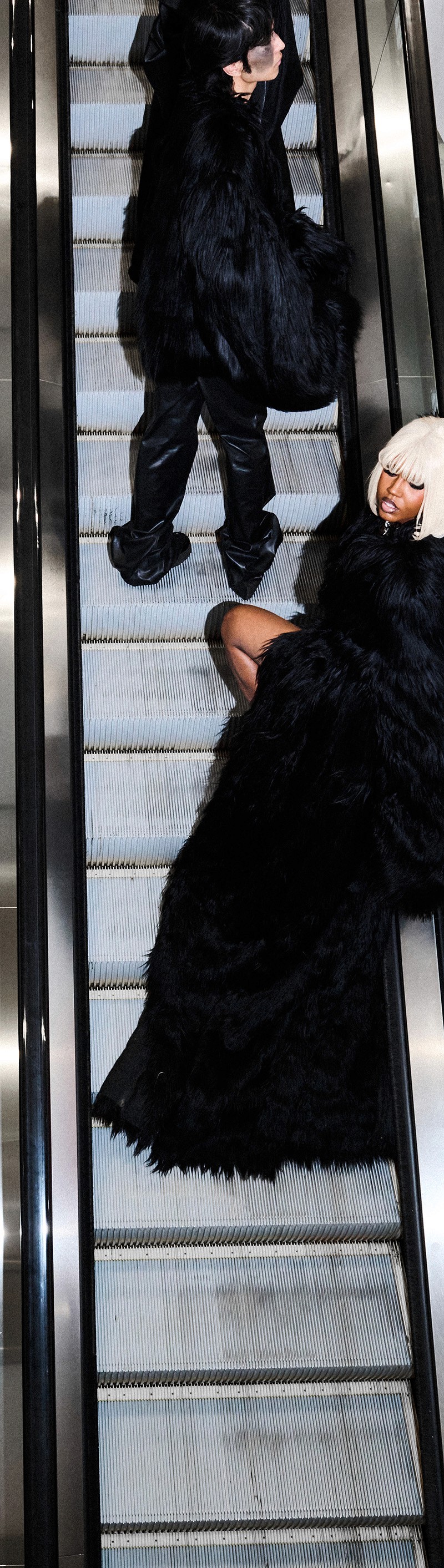
PEARLETTA’s visual identity emerged through years of experimentation. Sinclair was drawn to the discipline of tailoring and the precision required to build a garment properly, but she was equally influenced by street culture, music and the clothing people actually lived in. She never wanted to choose between luxury and reality. Instead, she created a space where sculptural construction could coexist with everyday relevance. Gathering became one of the brand’s signatures, allowing Sinclair to manipulate fabric into volume, movement and unexpected architectural forms. The moment people began recognizing PEARLETTA garments before seeing the label, she knew the brand had developed a voice of its own.
That voice is built on contrasts that also exist within Sinclair herself. Structure meets softness, streetwear confronts high fashion, and control gives way to emotion. She is meticulous and organized, but also deeply intuitive. “Structure gives ideas a foundation, while emotion gives them meaning,” she says. Her garments allow strength and vulnerability to occupy the same silhouette because, in Sinclair’s view, people contain both. Each collection is therefore highly personal, shaped by lived experiences, memories and emotions rather than the demands of a trend cycle.

The finished runway presentation rarely reveals what it cost to reach it. Behind every PEARLETTA collection are late nights, financial risks, rejected opportunities, pattern making, fittings, revisions and a small team carrying multiple responsibilities. Building a luxury brand in Toronto has required Sinclair to become far more than a designer. Without the infrastructure and investment available in cities such as Paris, Milan or New York, she has learned to market, fundraise, produce, sell and cultivate relationships. There were periods when sales moved slowly and opportunities failed to materialize, leaving her to believe in the vision before the world could see it. “PEARLETTA isn’t just a business to me,” she says. “It’s a legacy.”
Recognition through the FASHN DISRPTR award and a solo Fashion Art Toronto presentation provided validation, momentum and new expectations. For Sinclair, however, neither represented an arrival. The larger ambition is to build PEARLETTA into an internationally recognized luxury house known for innovative tailoring, exceptional craftsmanship and storytelling that resonates across cultures. Five years from now, she hopes this period will be remembered as the foundation, the moment an emerging Toronto label became undeniable. PEARLETTA’s
success would prove that influence does not require permission from a traditional fashion capital. Something timeless can be built anywhere, including a city still learning to recognize the power of what is being
created within it.
The finished runway presentation rarely reveals what it cost to reach it. Behind every PEARLETTA collection are late nights, financial risks, rejected opportunities, pattern making, fittings, revisions and a small team carrying multiple responsibilities. Building a luxury brand in Toronto has required Sinclair to become far more than a designer. Without the infrastructure and investment available in cities such as Paris, Milan or New York, she has learned to market, fundraise, produce, sell and cultivate relationships. There were periods when sales moved slowly and opportunities failed to materialize, leaving her to believe in the vision before the world could see it. “PEARLETTA isn’t just a business to me,” she says. “It’s a legacy.”
Recognition through the FASHN DISRPTR award and a solo Fashion Art Toronto presentation provided validation, momentum and new expectations. For Sinclair, however, neither represented an arrival. The larger ambition is to build PEARLETTA into an internationally recognized luxury house known for innovative tailoring, exceptional craftsmanship and storytelling that resonates across cultures. Five years from now, she hopes this period will be remembered as the foundation, the moment an emerging Toronto label became undeniable. PEARLETTA’s success would prove that influence does not require permission from a traditional fashion capital. Something timeless can be built anywhere, including a city still learning to recognize the power of what is being created within it.
Swipe
PRIME CONVERSION
How One Kitchen Became the Soul of a Home
By Connie Amartey
Some spaces arrive already speaking. You just have to know how to listen.
This kitchen began as most condo kitchens do. White cabinetry, builder-standard finishes, an island that was functional and nothing more. Honest in its practicality, without personalization.
We had a different vision entirely.
Lead With Feeling, Not Square Footage
The first lesson to live by: design is not about the size of a space. It is about atmosphere and how intentionally you choose to work with what is already there.
This space had remarkable bones. An exposed concrete ceiling, a linear layout with genuine industrial character, and a full glass wall opening onto a 500 square foot balcony that flooded the interior with natural light. Many would have softened the environment by introducing warmth to counteract the rawness, and neutralize the industrial edge into something more expected. We did the opposite. The concrete was not something to hide. It became the heart of our design direction.
Start there. Before you select a single finish, study your space. What is it already telling you? What does it want to become?
Bring the Outside In
Once you understand the bones, the next question is flow. How do you move through the space, and where does it begin and end?
That glass wall was an invitation. Rather than treat the balcony as a separate destination, we designed the interior to extend outward, creating visual and physical continuity between inside and out. The kitchen, the living area, and the balcony read as one seamless environment.
This is a principle that applies regardless of scale. When you blur the boundaries intentionally, every space feels more connected, more expansive, and more alive.
Make a Statement and Commit to It
Every space needs an anchor. A moment that sets the tone for everything else. Here, that moment was the island.
Rather than default to a standard countertop, we commissioned a dramatic waterfall island in winter white with thick black veining and ribbons of warm rustic brown running through it like brushstrokes. The veining does not simply sit on the surface. It cascades down the waterfall edge, giving the kitchen a sculptural, artistic quality that draws the eye and holds it.
The lesson I return to constantly: you do not need more space to make more impact. You need one defining element, placed with conviction. That single choice can shift the entire character of a room.

Design Tension Into Your Palette
Flat, matched palettes read as safe. What creates visual interest and warmth is deliberate contrast.
The cabinetry was designed in two distinct tones. Upper cabinets in a soft linen texture keep the space feeling airy and light, while the lower cabinets in rich warm walnut ground the kitchen and introduce depth. Matte black hardware threads through both tones, creating cohesion without uniformity.
Think of your palette in layers: light, mid, and dark. Give each layer a distinct texture. That is what makes a space feel considered rather than simply decorated.
Under-cabinet lighting completes the effect, washing the stone backsplash in a continuous warm glow. In the evening, the veining becomes almost luminous, a detail that costs relatively little and changes everything about how a space feels to live in.
Design for Real Life First
In condominium design, storage is not a secondary consideration. It is the foundation. Solve for how you actually live before you solve for how it looks.
The custom bar nook was our answer to that reality, and it may be the hardest-working element in the entire space. By day, it functions as a breakfast bar. By evening, a dry bar for entertaining. Behind its doors and within its shelving, it quietly houses a full storage pantry for large cleaning appliances, everyday essentials, and the items real homes accumulate, all concealed within a structure that reads as entirely intentional. A built-in wine rack and warm wood display niches bring character to what is, at its core, a highly functional storage solution.
The same stone from the kitchen island wraps the bar niche, threading visual continuity across the open plan. Storage and design become one. That is always the goal.
The design language then carries into the living room through a custom floating television unit in fluted cabinetry, because continuity is what makes a home feel designed rather than decorated.
The Lesson
Condominium living does not ask you to settle. It asks you to be more precise.
Design for the way you actually live, then build beauty around that foundation. The spaces that endure are never the ones that played it safe. They are the ones that committed to a point of view, honored real life, and proved that intention will always outlast trend.
This kitchen committed. And every morning and evening, standing in that space under warm light, it delivers on that promise completely.
THE ART
OF ONE
Commissioning the Extraordinary: Inside the Creation of a 1 of 1 Bentley Continental GT Mulliner
By Brandon Donovan Norris-Lue | Bentley Toronto Brand Manager
Photography by Alphi Masivi
True luxury is never defined by exclusivity alone, it is defined by intention. While rarity may capture attention, it is the pursuit of something deeply personal that transforms an exceptional automobile into a lasting work of design.
That philosophy guided the creation of this Bentley Continental GT Mulliner, a commission unlike any other seen in Toronto. Finished in the sophisticated Marlin exterior, this 1 of 1 grand tourer is the product of an extraordinary collaboration between my client, Grand Touring Automobiles and Bentley's renowned Mulliner division. The artisans who continue to shape the marque's legacy at its home in Crewe, England.
The journey began in a showroom in Toronto and continued at the birthplace of Bentley itself. Together, my client and I travelled to Crewe, where we worked alongside the Mulliner design team to develop a specification that reflected an unmistakably individual vision. Every conversation, every sample, and every decision became part of a meticulous creative process where craftsmanship and personal expression carried equal importance.
The result is a Continental GT Mulliner that exists entirely on its own.




Among its defining characteristics are Palm Springs Blue leather accents, an exclusive selection sourced from Bentley's heritage hides collection through the expertise of the Mulliner team. Paired with Linen and Imperial Blue leathers each panel was carefully thought out and reworked until we had created something never seen before. Their inclusion introduces a subtle yet striking contrast, celebrating Bentley's remarkable archive while demonstrating how legacy materials can be reimagined for contemporary luxury.
Perhaps the most meaningful detail lies beyond what is immediately visible. Embedded within the handcrafted veneer is a bespoke inlay featuring the precise coordinates of the Mulliner Design Studio in Crewe. The very location where this commission took shape. More than a personalized signature, it serves as a permanent reminder of the collaboration between client, designer, and artisan. Preserving the story behind the automobile itself.
Throughout the vehicle, craftsmanship reveals itself in layers. A handpainted Moonbeam pinstripe elegantly traces the bodywork and mirror caps. Intricate combinations of honeycomb and hand cross stitching showcase the skill of Bentley's craftspeople. Marlin painted wheels and a uniquely tailored colour split reinforce the vehicle's singular identity. Every surface, finish, and material was selected with purpose, creating harmony between timeless elegance and contemporary design.

"For me, this commission represents the very essence of modern luxury. Bespoke design is not about adding more, it is about creating meaning."


For me, this commission represents the very essence of modern luxury. Bespoke design is not about adding more, it is about creating meaning. It is about translating a client's vision into an object that reflects their personality, values, and appreciation for craftsmanship in its highest form. My favorite part of the process is watching a configuration on a screen transform into a living, breathing, tangible object of desire.
At Bentley, Mulliner provides an extraordinary opportunity to move beyond configuration and into true creation. Every bespoke commission tells a story that cannot be replicated, ensuring each vehicle becomes more than transportation. It becomes an enduring expression of artistry, individuality, and legacy.
The finest luxury experiences begin with a conversation. For those seeking to create a Bentley that exists nowhere else in the world, that journey starts with imagination and the willingness to design without compromise.
WELL
SUITED

CE
CLOTHIER
The Personal Philosophy Behind Great Tailoring
By Taye Omari
Photography by Nabil Shash
For Chinedu Ezemenari, great tailoring has always been about more than the perfect fit. It is about understanding the person wearing it.
C|E CLOTHIER began with a problem. At 6’2” and 220 pounds, Chinedu Ezemenari loved dressing well but rarely found clothing that fit the way he wanted it to. Custom tailoring provided the solution, but it also revealed an opportunity. Surely, he wasn’t the only person frustrated by clothing that never quite felt made for him. In 2014, Ezemenari turned that realization into C|E CLOTHIER, building a business around style, distinction and an uncompromising approach to fit. More than a decade later, those principles remain, although the self-described “grey-bearded veteran” admits his understanding of luxury has matured. Today, the perfect garment is not simply one that fits the body. It should fit the person.
That distinction has become central to the C|E experience. Before discussing fabrics, measurements or budgets, Ezemenari prefers to talk about the individual sitting across from him. He wants to know what makes them tick, how they see themselves and, perhaps most importantly, how they want to feel. A client might arrive armed with an inspiration photo and leave having chosen something entirely different after a conversation. “You can’t get that understanding from an inspo pic online,” he says. “For me, great tailoring starts with that relationship. Everything else comes after.” It is an approach that has turned many clients into friends and some, he says, into family.
If C|E’s philosophy was built on intimacy, its ambitions have travelled considerably further than its Scarborough beginnings. One of the defining moments came during the 2018 and 2019 Emmy Awards, when C|E looks appeared on Marcus Scribner of Black-ish and Karamo Brown of Queer Eye. Ezemenari flew to Los Angeles to personally fit the garments, which subsequently appeared in coverage from outlets including Vanity Fair, Vogue, GQ and Us Weekly. For a company built far from the traditional centres of luxury fashion, seeing C|E on one of entertainment’s biggest red carpets carried a deeper significance. “Here was this brand we had built in Scarborough, showing up on one of the biggest red carpets in the world,” he recalls. “It let us know that we belonged.”
Belonging, however, does not necessarily mean equal access. Ezemenari has dressed celebrities, first-time suit buyers and billionaires, proving to himself that the work can compete at virtually any level. Yet his experience as a Black designer has also shown him the difference between possessing talent and having access to capital, networks, resources and the rooms where opportunities are created. That is why he considers Black Designers of Canada an important part of the landscape. Rather than simply cataloguing Black talent, he believes the platform helps position designers in an elevated context and connects them with spaces that have historically been difficult to enter. As he puts it plainly, “Talent has never been the issue. Sometimes it’s simply access.”
Through all of that growth, Ezemenari remains remarkably traditional about the future. Menswear may be embracing looser fits and exaggerated silhouettes, and he welcomes the experimentation, even when it differs from his personal taste. C|E, however, will continue returning to balance, proportion and timeless tailoring. Trends inevitably change, but Ezemenari believes the relationship between tailor and client should remain sacred. In an increasingly fast and impersonal world, perhaps that is C|E’s real luxury: taking the time to know exactly who it is dressing
NANA BEDIAKO
Nana Bediako explores making as knowledge across design, education and innovation.
By Yaw Tony
Photos courtesy of Nana Bediako

Step inside Nana Bediako’s Toronto studio and it quickly becomes clear that clothing represents only one part of a much larger inquiry. Patterns for wearable technology sit beside experimental textile structures. Industrial prototypes share space with handcrafted artifacts collected during research in Ghana and Tanzania. Tailoring tools rest near engineering materials, each object contributing to an environment where disciplines are allowed to overlap. For Bediako, design is a way of thinking, testing and discovering what materials can teach us through the act of working with them.
A fashion professor at Seneca Polytechnic and a Master of Design researcher at OCAD University, Bediako moves between bespoke tailoring, industrial soft-goods prototyping, product engineering, academic research and Indigenous knowledge systems. His clients include manufacturers, product developers and industrial designers, while his research examines African making traditions refined across centuries. “I don’t see myself simply as a fashion designer,” he explains. “I’m interested in how knowledge is constructed through the process of making.”
That philosophy has led Bediako to question one of fashion’s most established assumptions: that garments must begin as flat fabric, be divided into pieces and sewn back together. His graduate research explores additive construction as an alternative methodology for garments and soft products. Architectural thatching, strip weaving, braiding, coiling and knotting demonstrate how complex structures can emerge gradually through repetition and accumulation. Bediako does not approach these traditions as historical curiosities or visual references to be extracted. He understands them as sophisticated design systems containing valuable knowledge about material behaviour, sustainability, efficiency and structural integrity.
The implications reach far beyond clothing. Additive construction and advanced textile knowledge can contribute to medical products, protective equipment, transportation, furniture upholstery and architectural textiles. Through PROTOSTITCH, the multidisciplinary prototyping practice he founded, Bediako has collaborated with organizations including Canadian Tire Corporation, MAKO Design + Invent, Working K9 and Cortex Design. His work spans protective equipment, performance gear, consumer products and industrial soft goods, demonstrating how pattern making, tailoring and textile construction can become powerful tools for product development and advanced manufacturing. “Fashion graduates already possess an exceptional understanding of material behaviour,” he says. “The industry simply hasn’t expanded its imagination about where those skills belong.”
Bediako carries that same philosophy into the classroom. His students learn precision tailoring and garment construction, but they are encouraged to see those skills through a wider lens. Pattern making becomes spatial engineering. Sewing becomes structural assembly. Textiles become responsive materials capable of addressing challenges in healthcare, transportation and emerging technologies. This approach prepares students for industries that may not traditionally recruit fashion graduates while reinforcing that craftsmanship and engineering are not opposing forms of knowledge. Both require precision, experimentation and an intimate understanding of how materials behave.
At the centre of Bediako’s research is a personal responsibility shaped by his connection to Ghana. He returns to Indigenous African communities not as a designer searching for inspiration, but as a researcher documenting knowledge systems largely excluded from mainstream design history. His fieldwork emphasizes respectful collaboration with artisans whose practices embody generations of accumulated technical expertise. By recognizing these traditions as living design knowledge, he allows them to participate directly in current conversations about sustainability, circularity, fabrication and material innovation.
This work also raises important questions about who is permitted to be recognized as an innovator. Design history has often celebrated the person who patented or commercialized an idea while overlooking communities that developed related methods generations earlier. Bediako asks the industry to reconsider where expertise resides and whose knowledge has shaped the discipline. The answers are not found solely in universities, laboratories or professional studios. They are equally present in weaving villages, among roof builders and in the hands of master artisans.
As design education and sustainable manufacturing continue to evolve, Bediako is contributing more than new products or construction techniques. He is proposing a broader understanding of design, one in which fashion, engineering, architecture and craft can learn from each other without erasing their origins. Perhaps the future of design will not be defined only by inventing what has never existed. It may also depend on recognizing the intelligence that has been there all along.
ERSKINE FORDE
The Long Way to the Director’s Chair
By George Sully
Photos courtesy of Erskine Forde

After more than 25 years in film and television, Erskine Forde has discovered that becoming a director was never about arriving quickly. It was about having something worth saying when he got there.
Erskine Forde’s first encounters with storytelling happened long before he knew it could become a profession. As a child in a small British Columbia town, he devoured library books by flashlight under the covers, fascinated by lives beyond his own. Home meant strict West Indian parents, four sisters and a household different from those around him. While neighbours ate spaghetti, the Forde family table held rice and peas, stewed chicken, cou cou and fish. His parents kept their children close, partly because there were few other Black families around them. The protection only intensified his curiosity. Difference became something he wanted to understand.
Cinema arrived almost by accident. As a teenager, Forde watched the film Cadence transform his town into a movie set, bringing Martin Sheen, Charlie Sheen, Laurence Fishburne, Michael Beach and Canadian actor Blu Mankuma into his orbit. Suddenly the world behind the screen became tangible. Through Mankuma’s son, Forde found Vancouver’s Sepia Players, where founder Ernie King became a mentor and taught him to direct for the stage. Until then, nobody had connected his love of photography, English and storytelling with a possible career in film.
Ironically, Forde learned to direct before entering the film industry at its lower rungs. He worked as a production assistant and built a career as an assistant director, including productions such as Suits and The Expanse. Rather than viewing those years as a detour, Forde sees them as an education in what filmmaking actually requires. He witnessed production debates, budget realities, rejected grants, network constraints and the problem-solving necessary to move an idea from page to screen. “The work is the job,” he says. Directing, he learned, is about harnessing the abilities of everyone on set and pointing that collective energy toward the story.


That understanding shaped his directing style. Forde talks about camera assistants, actors and crew members with the specificity of someone who has spent years observing how every department affects an image. The best directors he encountered were inclusive collaborators who understood why each person was there. That philosophy followed him onto Beacon 23. Having served as first AD while the series was established, Forde knew its claustrophobic sets intimately when he stepped into the director’s chair. He used that familiarity to explore loneliness visually, contrasting walls closing in with the equally unsettling realization that, in a vast space, nobody may be coming to save you.
If Beacon 23 demonstrated his command of an established visual world, Suits LA carried a different emotional weight. Years earlier, Forde had been a regular daily on the original Suits, one of the people called when extra hands were needed on location. He remembers sitting outside sets in hallways, calling rolls and cuts so pedestrians would not disrupt filming. Years later, he was flown to Los Angeles to direct within that same television universe. A quiet comment from a director and producer Forde admired after watching him complete a scene gave the moment words: “That was f’n awesome.” For Forde, the message underneath was simple. He had arrived.
Yet more than 25 years in the industry have taught Forde how complicated arrival can be for a Black filmmaker. He describes one persistent barrier as the “validation of perspective.” Film is creative expression inside a business that frequently asks artists to prove they can do something by showing they have already done it. For Black filmmakers, that equation can become narrower when a perspective falls outside familiar stereotypes. The challenge is not simply being allowed to tell Black stories, but being trusted to present Black life with its contradictions, specificity and range.
That is where Forde now wants to direct his attention. Travel through Canada, Southeast Asia and the Caribbean taught him that every place has its own rhythm and that understanding another culture begins with abandoning the assumption that different means wrong. It is the same curiosity that started beneath the covers with those library books. Today, whether mentoring BIPOC students through the TDSB or developing stories connected to Vancouver’s historic Black jazz community and Toronto’s financial district, Forde is interested in cultural nuance rather than easy definition. As a Black Canadian of West Indian descent, he wants his work to capture a perspective shaped by multiple worlds, one capable, as he puts it, of creating “a character that loves boom bap and flying fish equally.”


OLUNIKE ADELIYI
Olunike Adeliyi is building a global career defined by artistic truth, ancestral responsibility and the freedom to live entirely on her own terms.
By George Sully
Photos Courtesy of Olunike Adeliyi

Olunike Adeliyi does not speak like an actress waiting to be chosen. After decades across theatre, television and film, she has learned that longevity depends on knowing who you are before an industry built on categorization decides for you. That certainty has carried a price. Adeliyi has declined poorly written roles, unfavourable contracts and projects that would have reduced her range. Yet those refusals protected the quality defining her career: an ability to move between vulnerability and force without surrendering the complexity she brings to every character.
“The range is not despite being a Black woman in this industry,” she says. “The range is because of everything being a Black woman means.” For Adeliyi, range extends beyond proving which roles she can play. It includes the worlds she can create and stories she refuses to wait for someone else to tell. Her standard formed early. While working on John Q, she observed Denzel Washington’s preparation and respect for every moment. “Excellence is a practice, not an arrival,” she says.
Training in New York gave her rigour, while the city taught her to hustle, read a room and remain present amid the contradictions of human life. Adeliyi resists romanticizing the uncertainty that preceded recognition. She never seriously considered abandoning acting, but learned to step away when she needed to return to herself. Those pauses made ambition sustainable. In an industry capable of consuming an artist, rest became self-preservation.


That understanding followed her into Village Keeper, where she portrayed Jean, a Toronto mother carrying grief, financial pressure and generational trauma. Jean protects her children after their father is killed by gun violence while believing she has concealed the domestic violence in her past, unaware they have already absorbed it. She sacrifices until almost nothing remains for herself. The role reminded Adeliyi that caring for others cannot be sustained without caring for oneself.
Leading Village Keeper carried a wider responsibility. The film centres Toronto families whose lives have rarely received the full attention of Canadian cinema, entering their grief, homes and love without sanitizing or sensationalizing them. “It said these lives are worth the full weight of cinematic attention,” Adeliyi says. For a Black woman accustomed to seeing such characters at the edge of another person’s narrative, occupying the centre was overdue.
Her portrayal of Jackie Shields in The Fire Inside extended a visible thread within her work. Adeliyi has played mothers who are easily judged from outside but far more complicated from within. Portraying the real-life mother of boxing champion Claressa Shields required compassion before judgment. Jackie’s toughness could appear hard, but Adeliyi searched for the survival beneath it and the love underneath choices others might label failures. These are not good or bad mothers. They are human mothers carrying impossible weight with the tools available to them.
The size of a production may change, but Adeliyi’s point of entry does not. Truth remains the foundation whether she is leading an intimate Canadian film or joining an international production such as The Running Man. Working with Edgar Wright sharpened her appreciation for specificity and the standard required in a larger room. Her appearance in Possession, a Sky Studios limited series produced between the United Kingdom and Jamaica, reflects the global career she has positioned herself to build: culturally specific stories with international reach.


As a Canadian woman of Jamaican and Nigerian heritage, Adeliyi carries several worlds without treating them as a contradiction. Her responsibility begins with the ancestors and honouring stories that might otherwise disappear, but she refuses to let heritage become a ceiling. “I will play any role a white man can play,” she says. “Range has no colour.” Her ambition is unapologetic, yet it now exists beside wellness, balance and a protected softness. Peace does not weaken the work. It feeds it.
Adeliyi has stopped waiting for Canada, or any single industry, to determine her value. She goes where she is celebrated and now feels her spirit pointing toward Africa. When audiences look back, she hopes they see more than credits and nominations. She wants them to recognize a woman who bet on herself, valued community and pursued her gifts without allowing the pursuit to destroy her. “I am not a fighter,” she says. “I am a lover.” Her power lies not simply in enduring the industry, but in building a life large enough to hold ambition, ancestry, rest and joy at the same time.
Swipe


MUSKA
ZURMATI
Muska Zurmati builds cinematic worlds through costume and instinct.

There is a moment during a fitting that Muska Zurmati watches for. An actor studies their reflection and begins to hold their body differently. The person who entered the room disappears, and the character takes their place. For Zurmati, this is when costume design moves beyond clothing. “Something clicks,” she says. “The costume stops feeling like something they’re wearing and starts feeling like something that belongs to them.” That transformation is the magic at the centre of her work.
Zurmati first learned to read clothing through her mother. She watched garments being custom made for a woman who approached style with intention. Her mother was poised, graceful, strong and confident, but the ease of her self-expression made the deepest impression. Clothing extended her personality and communicated something before she spoke. Zurmati understood that a garment could alter confidence and the way someone moved through the world. Years later, that understanding became fundamental to the characters she constructs for the screen.
Her process begins with the script and a deliberate absence of outside influence. Before viewing creative boards or references, Zurmati reads the story alone, allowing its world to form in her imagination. She returns to the pages, moving deeper into each character’s psychology, history and relationships. Only then do research, colour, texture and silhouette enter the conversation. Character boards collect images and details that trigger possibilities, but instinct remains essential. Inspiration may come from research or a stranger observed years earlier. Costume design rewards attention because almost anything can eventually make a fictional life believable.
The format determines how those details must work. A feature film gives Zurmati room to let a wardrobe evolve with the story. Commercials compress an identity or atmosphere into seconds, requiring choices that register immediately. Music videos invite heightened expression and a greater willingness to push visual boundaries. Zurmati has moved through thrillers, horror, comedy, drama and science fiction, yet she does not rank creative possibility by genre. The most rewarding project allows her to find something unexpected while remaining truthful to the character.

"There are moments in a fitting when you can actually see a character arrive. The actor looks in the mirror, something shifts, and that is where the magic happens."
Truth separates memorable costume from clothing that merely attracts attention. Zurmati does not begin by asking whether a look will be noticed. She asks whether the actor believes it. When clothing connects to the character’s emotional reality, visual impact follows naturally. Ideally, the character appears to have dressed themselves, even though that effortlessness may result from weeks of research, sourcing, fittings, alterations and problem-solving.
That invisible labour is what Zurmati wishes more audiences understood. A costume glimpsed for seconds can carry hours of work by a department collaborating with directors, performers, hair and makeup artists, production designers and cinematographers. Every garment must belong within the film’s visual language while surviving the practical demands of performance and continuity. Zurmati stays through the credits, studying the names in the costume department. She sees it as an act of recognition for people whose work fills the frame but is rarely centred in discussions of filmmaking.

Her own presence behind the camera carries another significance. Zurmati is careful not to suggest that being an Afghan Pashtun woman determines how she understands every character. Human experience, observation and the story guide the work. Still, she remains conscious of girls and young women in Afghanistan who are denied the freedoms she has used to build her career. She does not claim to speak for all Afghan women, but understands that occupying a creative position can expand the picture of what is possible. Representation is not a burden placed upon every costume. It is the meaning created by being there.
The world Zurmati hopes to enter next belongs to another time. She is drawn to period design, from the 18th century through the 1970s, 1980s, 1990s and early 2000s, because every era carries a visual language waiting to be reinterpreted. A recent commercial allowed her to use 18th-century references to construct something contemporary rather than strictly historical. That space between accuracy and imagination excites her most. It offers the chance to disappear into research, evoke nostalgia and build a world that feels recognizable and new. Whatever era comes next, Zurmati will still be waiting for that fitting-room shift, the instant an actor looks into the mirror and clothing begins to speak.

MOHAMED
ZALLOUFI
Mohtohsoh turns genuine curiosity
into images that place audiences
inside the moment.
By George Sully

Mohamed never set out to become the person standing behind the camera. He was simply a music obsessive trying to get closer to the culture he loved. Between 2017 and 2019, he ran a French-language YouTube channel devoted to music, documenting artists and scenes in Toronto and New York. By 2019, he was filming friends in concept videos and creating unofficial commercials for brands such as Nike, Balenciaga and Galeries Lafayette. There was no career declaration, only curiosity followed repeatedly until other people began asking him to create for them.
“At some point I realized I wasn’t just documenting the things I loved anymore,” he says. “I was actually helping shape how people experienced them.” That realization transformed Mohtohsoh from an online name into the foundation of a creative life spanning photography, filmmaking, creative direction and cultural storytelling. Mohamed does not separate those disciplines. He begins with the story, then chooses the form capable of expressing it. Sometimes the answer is a polished portrait, sometimes a cinematic film, and sometimes a spontaneous exchange whose power comes from feeling completely unproduced.
"I want the image to feel alive, like you can step back into that exact moment."
Music remains the connective tissue. Before photographing major artists or travelling internationally, Mohamed was a fan who understood culture from the audience. That perspective still guides him when he enters a room with someone such as Tyla, Justine Skye or FLO. Rather than chase the obvious image, he searches for the human detail that proves he was paying attention. Mentioning a lesser-known album track can dissolve the distance between artist and camera because it signals genuine interest rather than transactional access. From there, he asks what someone watching from home would want to see: something exclusive, unguarded and alive.
That connection matters equally when the person before his lens is not famous. Mohamed jokes, talks and shares what he is trying to create, offering direction without treating anyone as a prop. He knows discomfort will register in the finished image. Trust allows performance to fall away. Often the strongest frame arrives after everyone believes the shoot is finished, when the subject stops presenting themselves and simply exists.
The instinct may appear effortless now, but it was built through mistakes. As a self-taught filmmaker and photographer, Mohamed learned that nobody was coming to rescue weak lighting, an unclear idea or an unprepared production. Surprisingly, the camera became the easier part. Pricing, invoices, contracts, usage rights, raw files and revisions proved harder because emerging creators are rarely taught the commercial language surrounding their talent. His Master’s degree in Finance and Marketing helped him understand why images connect, but professional survival still required trial and error.

Geography added another dimension to his visual language. Paris, his home city, became newly visible after he entered its fashion week world in 2022. Toronto taught him to build community and manufacture opportunity. New York encouraged speed, confidence and entry without permission, while Montreal showed him how naturally music and culture can move together. Rather than choose one creative scene, Mohamed has made existing between them part of his identity.
That trajectory reached a milestone when he directed and photographed his first magazine cover for SHIMMYA featuring Odeal. The opportunity came together quickly and triggered the familiar doubt of a filmmaker being asked to lead a major photographic assignment. It also arrived through Makia, a friend of seven years who believed in Mohamed’s potential before he fully trusted it himself. The cover marked the difference between executing someone else’s idea and being trusted to author the vision.
Still, he refuses to treat one cover, celebrity or viral clip as the destination. Much of the work remains self-funded, with travel, accommodation and equipment costs often exceeding the income generated directly from content. Social media rewards constant output, but Mohamed resists creating simply to reassure an algorithm that he still exists. He wants Mohtohsoh to become a media platform without losing the curiosity that made it compelling.
When Mohamed considers the archive he is building, he does not want viewers to see only proximity to famous people. He wants them to recognize honesty, intention and a fascination with the world. The measure of success is whether an image still breathes after the event has ended, allowing someone to feel the energy rather than merely observe it. Behind every format, city and cultural figure, that remains his purpose: to make people feel as though they were there.

GUIDED BY
TRUST
Burcin Djamgouz is bringing
greater clarity, accountability and
care to Canadians considering
medical travel.
By Amara N

For most travellers, arriving somewhere new begins with anticipation. For a person travelling for medical care, anticipation is inseparable from vulnerability. There are doctors to evaluate, risks to understand and unfamiliar systems to navigate. Burcin Djamgouz created Lunara Medical Travel to stand inside that uncertainty, offering Canadians something the internet cannot reliably provide: an informed guide who understands both where they are leaving and where they are going.
Djamgouz’s connection to healthcare began in Türkiye, where both parents were nurses. Their example taught her that professionalism and compassion are inseparable, and that trust must be earned through care. More than 20 years ago, she made Canada home, raised her family and built a corporate career with companies including Procter & Gamble, Energizer and Maple Leaf Foods. Those years trained her to think strategically, question assumptions and place the customer at the centre of each decision. Meanwhile, her continued relationship with Türkiye allowed her to witness the development of its private healthcare and international patient infrastructure.
As more Canadians began considering travel for cosmetic surgery, hair restoration, dentistry and health assessments—with cosmetic procedures representing the largest share of interest and often tied to deeply personal goals of aesthetic or physical transformation—Djamgouz noticed that affordability was only part of the conversation. Many did not know how to distinguish a qualified provider from convincing marketing. Lunara emerged to close that gap. The company acts as a Canadian-based facilitator, connecting clients with independent licensed physicians and institutions while coordinating communication and logistics. It does not provide medical advice or make clinical decisions. Its value lies in helping clients ask better questions before making their own.
It is also important to note that Lunara is not a travel booking service. Lunara’s role remains focused on medical coordination, education and guidance throughout the healthcare journey.

The name Lunara takes inspiration from the moon, a symbol Djamgouz associates with guidance, reassurance and renewal. “Just as the moon has guided travellers for centuries, I wanted Lunara to represent a trusted presence,” she explains. Its tagline, “Your Journey. Expertly Guided,” reflects a promise of support rather than results. Every client arrives with different goals and concerns, so the process begins with listening rather than selling.
For many clients, the decision is not rooted in vanity or tourism. It may represent a desire to restore confidence, feel comfortable in their body or finally address something they have considered for years—often involving a personal or aesthetic transformation that feels deeply meaningful. Türkiye’s culture and hospitality can enrich the experience, but Djamgouz insists that treatment must remain the priority. The destination should never distract from the seriousness of informed consent, realistic expectations and recovery. This is why Lunara’s role extends beyond arranging appointments. It prepares clients for the emotional and practical realities of the journey, ensuring that excitement is balanced by careful consideration at every stage.
That distinction matters in an industry dominated by dramatic before-and-after images and price comparisons. Lower costs may make Türkiye attractive, but price should never determine a medical decision alone. Favourable exchange rates and lower operating costs can make treatment significantly more affordable, while quality remains the priority. Lunara researches regulations, visits clinics and hospitals, meets medical teams and examines qualifications, experience and international-patient practices before establishing relationships. Türkiye requires healthcare facilities serving international patients to meet specific licensing and authorization requirements from its Ministry of Health, but Djamgouz treats certification as the beginning rather than the conclusion of due diligence.
That approach continues through the consultation stage. Lunara first takes time to understand what a client hopes to achieve, then introduces specialists whose experience aligns with those goals. Clients can speak directly with medical professionals, compare recommendations and consider the benefits, limitations and risks before committing. Djamgouz refuses to pressure anyone, guarantee an outcome or present one path as universally right. Walking away or taking more time must remain a valid choice. Guidance, in her view, is not about persuading someone to travel. It is about giving them enough reliable information to decide whether travelling is truly right for them.
"We don't sell procedures. We help people navigate an important and deeply personal decision."
– Burcin Djamgouz
FOUNDER & CHIEF EXPERIENCE OFFICER - LUNARA MEDICAL TRAVEL COORDINATION
She also rejects the simplistic idea that treatment abroad is inherently unsafe. Quality varies in every country, and the meaningful question is whether the patient has carefully examined the surgeon, facility, treatment plan, risks and follow-up support. Concerns become justified when decisions are made from social media, polished websites or cost alone. “We don’t sell procedures,” Djamgouz says. “We help people make one of the most important decisions of their lives.”
The journey does not end when a client returns to Canada. Treating medical teams remain accessible for clinical follow-up, often through virtual appointments, while Lunara can help coordinate appropriate local recovery services. Clients are also encouraged to consider specialized medical-travel and complication insurance because every procedure carries risk, regardless of location.
For Djamgouz, the most meaningful transformation often occurs before any procedure. It is the moment anxiety gives way to clarity because a client understands the questions to ask and realizes they are not navigating the process alone. Her larger ambition is to raise expectations across medical travel, making transparency, accountability and continued support the standard rather than an added luxury. Lunara may be named for guidance through distance, but its real purpose is closer to home: helping people move from possibility to decision with their eyes fully open.
IMAN
STEWART
Inside my Toronto bedroom, comfort, craftsmanship and thoughtful design create a deeply personal retreat.
By Iman Stewart

Welcome to my Toronto apartment and to the room where I finally exhale. My bedroom is quiet, warm and comfortable, offering softness. As a mother of three girls, my life is filled with movement, laughter and responsibility. I love that energy, but I have learned the importance of creating a place where I can slow down and return to myself.
As an interior designer, I think about how a room makes someone feel. A beautiful space should never feel untouchable or overly styled. It should welcome you in, and make everyday rituals more meaningful. In my bedroom, every element contributes to a sense of calm. The lighting is soft, the textures are inviting and the atmosphere becomes subdued as the day winds down.
The bed is central to that feeling. It anchors the room and is where comfort matters most. My Stearns & Foster® Lux Estate® mattress is my favourite part of the space because it supports the experience I wanted to create. It feels luxurious without being showy and comforting from the moment I settle in at night.
There is a coolness when I first lie down, followed by a gentle softness that helps my body relax. The mattress responds to the way I sleep, offering support without feeling rigid and comfort without making me feel as though I am sinking. Its memory foam, latex and responsive springs are carefully designed, but what matters is how naturally they work together. I do not think about the construction while resting. I simply feel comfortable, supported and ready to release the day.


I appreciate the craftsmanship behind it. The Lux Estate Collection is handmade by certified master craftsmen, and that sense of care is something I value. In my own work, I am drawn to pieces that are thoughtfully created and meant to remain in a home for years. True luxury is not simply about how something looks when it is new. It is about quality you can feel, details with purpose and comfort that lasts beyond the first impression.
For me, this bedroom represents more than design. It is a reminder that rest deserves space in our lives. Mothers are often so focused on caring for everyone else that we forget to create moments of restoration for ourselves. I have come to understand that taking time to rest is not selfish. It allows me to be more present, patient and grounded for my daughters and for everything else my life asks of me.
This is where my mornings begin and where my busiest days come to a close. It is where I can enjoy a quiet moment, settle beneath the covers and allow the outside world to become a little less urgent. My bedroom does not need to be grand to feel luxurious. It simply needs to feel like mine. With its warmth, calm atmosphere and the comfort of my Stearns & Foster® mattress, it has become the retreat I need and the place where I feel most at home.

OLIVIA
PARKER
Turning Motherhood, Influence and Lived Experience Into an Empire of Her Own
By Taye Omari
Before Olivia Parker, known online as MRSDROZARIO, had hundreds of thousands of followers, hundreds of millions of views or partnerships with globally recognized brands, she was simply sharing her life. The Canadian wife and mother began creating content more than a decade ago, long before “creator” was widely considered a viable profession. What started as a way to document her experiences and connect with others through honest storytelling gradually revealed something greater. People were not merely watching. They were listening, relating and taking action.
That realization changed the trajectory of Parker’s career. Today, she has built an audience of more than 500,000 across platforms, generated hundreds of millions of views and collaborated with brands including Netflix, Apple and Tim Hortons. Behind those numbers, however, is a business philosophy shaped as much by motherhood as marketing. Her influence may have been built online, but the foundation beneath it is deeply personal.
Raising five daughters has transformed the way Parker thinks about ambition, wealth and legacy. Building a company while raising a family required her to reject the belief that motherhood and serious entrepreneurship exist on opposite sides of a decision. She wants her daughters to see a woman who loves her family deeply without
disappearing inside it. For Parker, building something of her own is not simply about generating income. It is about demonstrating possibility and showing her children that care, ambition and ownership can exist within the same life.
That human-centred perspective has also become one of her greatest advantages as a marketer. With a background in psychology, Parker approaches content through an understanding of human behaviour rather than simply chasing trends. She studies why people pay attention, what creates emotional connection and what makes an audience trust a recommendation. For brands, that translates into content designed to perform without stripping away the authenticity that made people care in the first place.
It is also why Parker is quick to challenge one of social media’s most persistent illusions: the idea that successful creators simply post content and get paid. Behind sustainable influence are contracts, negotiation, intellectual property, audience development, analytics, positioning, sales and consistency. “A lot of people learn how to create content before they learn how to build a business,” Parker says. “You can have followers, viral videos and incredible brand opportunities and still not have a sustainable company.”
There is another responsibility Parker takes equally seriously: maintaining the boundary between storytelling and access. Building a platform around motherhood does not mean her children automatically become public property. As her audience has grown, she has become increasingly intentional about deciding which moments belong to her story and which belong exclusively to her daughters. The distinction matters because no amount of attention or engagement is worth compromising the safety, dignity or future autonomy of her children.
That combination of experience, strategy and hard-earned perspective ultimately inspired Parker to create Momtrepreneur University™, a mentorship community designed to help mothers, creators and professionals transform their knowledge, creativity and lived experience into digital opportunities. In many ways, it is the resource she wishes had existed when she began. Members learn about content strategy, monetization, brand partnerships, digital products, artificial intelligence, personal branding and the business infrastructure required to turn online attention into something
sustainable.
Parker is also deliberate about reclaiming the word momtrepreneur. Where some hear a softer or smaller version of entrepreneur, she sees a woman building while simultaneously carrying responsibilities that traditional business conversations frequently overlook. A mother developing a company between school runs, childcare, careers and household demands is not playing business. She is building under constraints that require extraordinary discipline, creativity and resourcefulness.
Through Momtrepreneur University™, Parker hopes to contribute to a larger shift in how women understand the value of what they know. She believes a generation of women is sitting on valuable intellectual property without recognizing it as such. Their years of professional expertise, lived experiences, developed solutions, community knowledge and personal stories can become the foundations of meaningful businesses. Her mission is to help women identify that value and transform it into ownership.
Five years from now, Parker does not simply want her name associated with influence. She wants it connected to infrastructure, education and a movement that helped women become more powerful participants in the digital economy. Influence may open a door, but ownership determines what can be built on the other side. Perhaps the most important lesson Parker has learned from more than a decade online is that being seen can create opportunity, but understanding what to build once people are watching can change the future of an entire family.
Before Olivia Parker, known online as MRSDROZARIO, had hundreds of thousands of followers, hundreds of millions of views or partnerships with globally recognized brands, she was simply sharing her life. The Canadian wife and mother began creating content more than a decade ago, long before “creator” was widely considered a viable profession. What started as a way to document her experiences and connect with others through honest storytelling gradually revealed something greater. People were not merely watching. They were listening, relating and taking action.
That realization changed the trajectory of Parker’s career. Today, she has built an audience of more than 500,000 across platforms, generated hundreds of millions of views and collaborated with brands including Netflix, Apple and Tim Hortons. Behind those numbers, however, is a business philosophy shaped as much by motherhood as marketing. Her influence may have been built online, but the foundation beneath it is deeply personal.
Raising five daughters has transformed the way Parker thinks about ambition, wealth and legacy. Building a company while raising a family required her to reject the belief that motherhood and serious entrepreneurship exist on opposite sides of a decision. She wants her daughters to see a woman who loves her family deeply without disappearing inside it. For Parker, building something of her own is not simply about generating income. It is about demonstrating possibility and showing her children that
care, ambition and ownership can exist within the same life.
That human-centred perspective has also become one of her greatest advantages as a marketer. With a background in psychology, Parker approaches content through an understanding of human behaviour rather than simply chasing trends. She studies why people pay attention, what creates emotional connection and what makes an audience trust a recommendation. For brands, that translates into content designed to perform without stripping away the authenticity that made people care in the first place.
It is also why Parker is quick to challenge one of social media’s most persistent illusions: the idea that successful creators simply post content and get paid. Behind sustainable influence are contracts, negotiation, intellectual property, audience development, analytics, positioning, sales and consistency. “A lot of people learn how to create content before they learn how to build a business,” Parker says. “You can have followers, viral videos and incredible brand opportunities and still not have a sustainable company.”
There is another responsibility Parker takes equally seriously: maintaining the boundary between storytelling and access. Building a platform around motherhood does not mean her children automatically become public property. As her audience has grown, she has become increasingly intentional about deciding which moments belong to her story and which belong exclusively to her daughters. The distinction matters because no amount of attention or engagement is worth compromising the safety, dignity or future autonomy of her children.
That combination of experience, strategy and hard-earned perspective ultimately inspired Parker to create Momtrepreneur University™, a mentorship community designed to help mothers, creators and professionals transform their knowledge, creativity and lived experience into digital opportunities. In many ways, it is the resource she wishes had existed when she began. Members learn about content strategy, monetization, brand partnerships, digital products, artificial intelligence, personal branding and the business infrastructure required to turn online attention into something sustainable.
Parker is also deliberate about reclaiming the word momtrepreneur. Where some hear a softer or smaller version of entrepreneur, she sees a woman building while simultaneously carrying responsibilities that traditional business conversations frequently overlook. A mother developing a company between school runs, childcare, careers and household demands is not playing business. She is building under constraints that require extraordinary discipline, creativity and resourcefulness.
Through Momtrepreneur University™, Parker hopes to contribute to a larger shift in how women understand the value of what they know. She believes a generation of women is sitting on valuable intellectual property without recognizing it as such. Their years of professional expertise, lived experiences, developed solutions, community knowledge and personal stories can become the foundations of meaningful businesses. Her mission is to help women identify that value and transform it into ownership.
Five years from now, Parker does not simply want her name associated with influence. She wants it connected to infrastructure, education and a movement that helped women become more powerful participants in the digital economy. Influence may open a door, but ownership determines what can be built on the other side. Perhaps the most important lesson Parker has learned from more than a decade online is that being seen can create opportunity, but understanding what to build once people are
watching can change the future of an entire family.

R.T.
THORNE
Building a Legacy in Motion:
R.T. Thorne on Culture, Cinema and the Power of Perspective
By George Sully
Photography care of R.T. Thorne
Making a film is an act of belief. Making one shaped by your history, culture and the movies that taught you to love cinema is even more personal. For Canadian filmmaker R.T. Thorne, 40 Acres was a creative arrival and a declaration. The post-apocalyptic feature placed a Black and Indigenous family at the centre of a genre that rarely imagines either community as keeper of the future. Its recognition by the Canadian Academy, including nine Canadian Screen Awards, carried a weight Thorne struggles to articulate.
“Making a film in this day and age is a feat,” he says, especially one influenced by his own history and the films he loved growing up. The recognition was a blessing, made more meaningful because so many collaborators also received their flowers. For Thorne, the awards acknowledged the collective labour required to bring a first feature into existence.
That vision was forged long before 40 Acres. Thorne began directing music videos, a form he considers one of the best training grounds for a young filmmaker. Music videos gave him permission to experiment with image, rhythm and tone without conventional narrative rules. “It’s the most free of all cinematic art forms, because it has no rules,” he explains. If a director can convince an artist and record label to take the journey, any idea becomes possible. For a focused filmmaker, that freedom helps refine both process and point of view.


The lessons followed Thorne into television, where he directed projects for networks and streaming platforms, including Blindspot, Utopia Falls, The Porter and Cross. Some of those productions required him to contribute his perspective and collaborate within previously established narratives, while others gave him the opportunity to create series from the ground up and expand his role into writing and producing. 40 Acres, however, demanded something different. The story was personal on many levels, and the challenge was ensuring that the story he felt was important to tell emerged intact from the intense creative process of making his first feature film.
At the centre of that story was an absence Thorne could no longer ignore. He had never seen Black and Indigenous resistance brought together in a film, and he believed it was time. During the early writing process, he encountered a clip of Michael Greyeyes speaking about how Indigenous communities had already experienced an apocalypse through attempted eradication of their cultures, bodies and languages. Thorne recognized a connection to communities descended from the African diaspora, who endured their own apocalypse through the transatlantic slave trade and emerged ever more resilient.
From that connection grew the world of 40 Acres. At the perceived end of Western civilization, a mixed Black and Indigenous family is not merely surviving. They are among those best equipped to endure a world stripped of resources because they understand that self-preservation cannot be separated from cultural preservation. History, language, food, agricultural practice, music and self-defence are survival systems. Their ability to protect the land is rooted in everything their communities carried forward, making the film’s spectacle inseparable from its ideas about inheritance and memory.
Thorne’s approach depends on cultural specificity. He trusts the instinct behind the phrase “for those who know, know,” while believing audiences outside an experience can learn and find something universal within it. His visual benchmarks include Steven Spielberg, Spike Lee and Wong Kar Wai, directors who create bold cinematic canvases while telling intimate stories about human relationships. Their work demonstrated that visual power and emotional truth do not need to compete. Spectacle can deepen intimacy when every choice remains connected to the people inside the frame.

That principle shaped his collaboration with the cast. Thorne remembers watching Jeff Barnaby’s Blood Quantum and deciding that he wanted to work with Michael Greyeyes. Years later, Greyeyes became the first actor placed in the film’s pitch deck. Securing Danielle Deadwyler as lead and collaborator became what Thorne describes as a masterclass. Their presence helped establish the emotional foundation for young Canadian talent Kataem, Lena, Jada and Hailey, who settled into the grounded truth the film required.
The experience reaffirmed one of Thorne’s strongest beliefs about directing. When the right actors have been cast, the director’s responsibility is not to overwhelm their instincts but to guide the story and witness what emerges. That trust allowed the characters in 40 Acres to feel complex, lived-in and emotionally credible, even within a world shaped by scarcity, violence and collapse.
Building that work from Canada has sharpened Thorne’s understanding of what the country still fails to recognize. He believes Canada has considerable work to do in valuing cultural storytelling and publicly supporting homegrown talent. Too often, Canadian filmmakers and writers are overlooked domestically until their work receives acclaim south of the border. Only then, he observes, does a proud Canadian claim suddenly appear. That dependence on outside validation remains one of the screen sector’s persistent limitations.
The problem is even more pronounced for Black creators. When Thorne began directing music videos, he was one of only a handful of Black directors in the space. Outside hip hop, Black directors were rarely considered for rock, alternative or pop acts. On set, he was often the only Black person who was not part of the talent, hair or makeup teams. He has since seen marginal growth among Black cinematographers, editors and camera technicians, along with a recent increase in writers, but progress remains insufficient.

At the level of investment and support, Thorne sees an industry still carrying racist and segregated ideas about Black-led stories. The assumption that other communities will not support those stories because they cannot see themselves within them persists, even as audiences everywhere connect with Black music, comedy and art. His response is to challenge that narrative through his work and support creators and writers of colour who want to tell stories across genres rather than remain confined by narrow expectations.
That determination was built through setbacks as much as success. Thorne has encountered slammed doors, unrealized opportunities and people who could not see his vision. Instead of accepting those moments as final, he often treated them as encouragement to build the opportunity himself. “Our ancestors, for better or worse, have laid out a lesson for us if we are listening for it,” he says. “Success comes to those who make it.”
Following 40 Acres, Thorne remains drawn to stories that challenge what audiences have seen before, culturally and cinematically. He wants to reaffirm a deeper understanding of history, identity and the shared human condition while delivering the pleasure of going to the movies. He is serious about meaning, but equally serious about fun. The films he leaves behind should be visually alive, emotionally resonant and capable of reaching future audiences without surrendering the cultural specificity that gave them purpose.
40 Acres proves what can happen when a filmmaker refuses to separate entertainment from inheritance. It imagines the end of one world while asking what knowledge might allow another to begin. For Thorne, survival is not simply the continuation of life. It is the continuation of language, memory, food, music, land and the ability to defend them. His career follows the same principle. When an industry does not provide the space, he creates it, fills it with stories that must exist and leaves the door open for others to follow.


LUXURY
RECLAIMED
Bilqees Grant is redefining luxury by seeing value where others see waste
By Taye Omari
With Helius Originals, Bilqees Grant is transforming discarded materials into elevated experiences while challenging what sustainability can look like in the luxury market.
Sometimes finding your purpose requires discovering what you do not want. For Bilqees Grant, that realization arrived with one semester remaining in university. Sitting in her car as Eminem’s Lose Yourself played, she unexpectedly began to cry. Looking at the university, she admitted something to herself: she didn’t want to be there. Grant withdrew and eventually launched a cheesecake business. It was successful enough to land an order for 1,500 mini cheesecakes, but instead of excitement, she felt dread. “I was capable of building businesses, but being good at something is not the same as loving it,” she says. Helius Originals would become the first business that truly felt like passion.

The concept brought together lessons gathered from seemingly unrelated chapters of Grant’s life, from elite basketball to years in hospitality. Helius creates luxury smoked culinary products and experiences where presentation, craftsmanship and sustainability work together. Grant, however, has never been interested in asking consumers to choose the product simply because it is environmentally responsible. “We create products that people want because they’re beautiful, luxurious, and thoughtfully designed,” she explains. Customers experience the craftsmanship first, then discover that reclaimed or responsibly sourced materials helped create it. For Grant, sustainability should enhance luxury, never feel like a compromise.
Today, Helius Originals brings that philosophy to life through immersive smoked cocktail and culinary experiences, live engraving, and customized gifting for brands, hospitality venues, corporate events and private celebrations.
Building that vision has required its own resilience. As a Black woman with Indigenous heritage, Grant initially worried that becoming the visible face of Helius might affect how customers perceived the brand. In early videos, she sometimes wore gloves to conceal her identity. Then someone offered a perspective that stayed with her: if someone wouldn’t purchase from her because she was Black, they were never the right customer. “That completely changed my perspective,” she says. Grant gradually embraced visibility and, with it, an unexpected role as a leader. Rather than trying to perform leadership, she defines it simply as pursuing something she genuinely believes in and allowing others to connect with that conviction.
As Helius has grown, maintaining that conviction has meant resisting the temptation to scale at any cost. Some products have transitioned to FSC-certified wood and skilled wood turners to improve efficiency, while many reclaimed wood products are deliberately kept away from large wholesale channels. Protecting the craftsmanship sometimes means accepting slower growth. “We’ve always believed that how we grow is just as important as how much we grow,” Grant says.
Her ambitions now extend far beyond barware. Helius is developing a product Grant says could upcycle landfill-bound glass, metal and lumber, pushing the brand further into the circular economy. Ultimately, she envisions Helius Originals as a global luxury experience brand spanning smoked culinary products, custom smoking systems, corporate gifting and immersive events. More importantly, she wants the company to challenge an old assumption that luxury must always begin with something new. Grant believes extraordinary materials are already around us, waiting for imagination and craftsmanship to give them another life. For the entrepreneur who once had to walk away to discover what she truly loved, it is a fitting philosophy: sometimes the most exciting possibilities begin with seeing new potential in what already exists.

CREATIVE
COUNSEL
Viral Is Not the Same as Protected
By Layth Gafoor and Malik Nembhard of Lucentem Sports & Entertainment Law P.C.
Designers want the moment when a piece catches fire. An artist wears it, orders arrive and the brand is discovered. Then copying begins.
Your signature detail is sold elsewhere. Someone studied your work, removed your name and fed it into a supply chain.
That is dupe culture. Social media makes discovery easier and copying faster. The law cannot prevent every imitation, but preparation provides leverage.
The Screenshot Is Evidence, Not a Strategy
Posting first may establish when your work existed, but an Instagram date or sketch does not automatically provide every right needed to stop a copycat.
Copyright can protect artwork, photographs, graphics and textile prints, but not ideas, trends or functional concepts. Trademarks protect brand identifiers. Industrial design registration can protect a product’s shape, configuration, pattern or ornamentation.
“They stole my idea” is only the beginning. Was it the artwork, product appearance, name or photography? The answer determines which rights matter.
Protect Before the Reveal
Behind-the-scenes content builds community, but it may disclose a design too early. Canada provides a 12-month grace period for industrial design applications after disclosure, while other countries may differ.
Build timing into your launch. Decide which designs justify registration and search trademarks before investing in packaging. Domains and social handles are useful, but they are not trademark rights. Get advice before revealing work for international markets.
Own the Work You Paid For
Founders often assume that paying a freelancer means owning everything produced. That becomes expensive when a brand seeks investment or enforcement.
Collaborator agreements should address ownership. Are rights assigned or licensed? Can the creator reuse the work? Does permission cover advertising, e-commerce, packaging and international use?
Document assignments and licences in writing. An investor or retail partner may ask whether your company owns the assets it claims.
Create an Evidence File
If copying happens, resist posting immediately. A public accusation may create defamation risk or push evidence offline.
Save dated sketches, technical packages, invoices and communications. Capture the copied listing, seller, advertising, URL and date. If appropriate, purchase the product.
Assess the commercial reality. Who is selling it and with what impact? The response may be a takedown, lawyer’s letter, negotiation, licensing or litigation. Match it to evidence and business goals.
Do Not Become the Copycat
Calling something a “dupe” creates no legal exception. Reproducing another company’s logo, artwork or branding can lead to claims, even as a joke.
Mood boards should guide direction, not reproduce someone’s work. Ask collaborators to confirm originality and disclose licensed materials or third-party elements.
The Business Lesson
Intellectual property protection is not only about lawsuits. It supports valuation, licensing, collaborations and investment. Registration can turn an idea into an asset that can be licensed, sold or enforced.
Start with an audit. List the names, logos, prints, product designs and materials of value. Identify who created and owns each asset, where it is used and whether registered. Prioritize what customers recognize and competitors may copy.
Limited budgets require priorities. Protect what defines the brand, document the rest and revisit the plan as the business grows.
Virality matters, but attention is not ownership. Comments saying you did it first cannot replace contracts, registrations and evidence. Do not become afraid of sharing. Make sure that when the world discovers your work, you have done enough to keep its value connected to you.
This article provides general information and is not a substitute for legal advice about a specific situation.

The ARMOR Clothing Kit
The ARMOR Clothing Kit
12 essential pieces. 72 ready-to-wear outfits.
12 essential pieces. 72 ready-to-wear outfits.
72 ready-to-wear outfits
OFFICE • CLIENT MEETING • DATE NIGHT • WEEKEND
swipe to style
Jackets + shirts
Swipe →



Pants
Swipe →


Shoes
Swipe →


Shop ARMOR
by Custom House
4 Way Stretch
FULL RANGE OF MOTION
Wrinkle Free
ALWAYS SHARP
Machine Washable
EASY CARE
All-Season Wear
YEAR ROUND
Breathable
ALL DAY COMFORT


CANFAR AD
DESIGNER
TECH
Highlighting must-have tools and gadgets for graphic, fashion, and interior designers, making innovation, efficiency, and creativity effortlessly accessible.
By Clive Deonarine

Fujifilm Instax Mini 13
The Fujifilm Instax Mini 13 brings fresh charm to instant photography with a playful retro design and simple point-and-shoot appeal. Its new self-timer makes group shots and hands-free selfies easier, while the built-in selfie mirror helps with framing. Close-Up Mode with parallax correction keeps tighter shots centred and sharp, making it ideal for parties, travel, events, and everyday memories. Compact, stylish, and easy to use, it keeps instant photography fun, physical, and social. Price: $110 CAD


Enjoyed this experience?
Support BDC Magazine by purchasing a hardcopy of Issue 03.
BDC Magazine
Issue 03 Hardcopy
$10.99
Add
Support Black Designers Of Canada by purchasing our collectible second edition hard copy.
Sully & Son Co
TOKU - TOTE / Shoulder Bag
$130.00
Add
Added items to your cart?
Don't forget to checkout before
leaving our motion editorial experience.
You can always come back to shop Issue 03 if you want to support our designers, allies & collaborators.